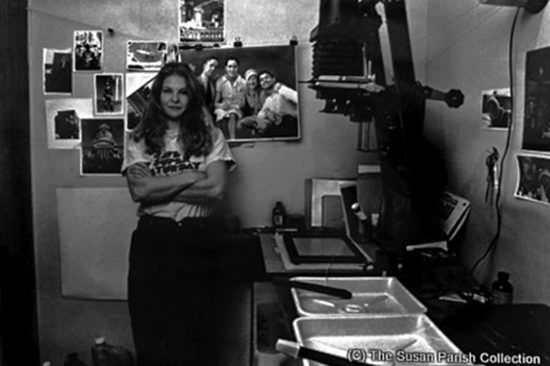
My notes: I purchased hundreds of the Mires Collection glass and film negatives in the early 1990's and immediately saw the depth and beauty of Mary's work and found it to be on par with the more famous photographers of her era. Viewing what I thought would be amateurish family 'snapshots' was simply not the case as these photographic negatives revealed themselves to be not only a sophisticated visual record of pioneer life, family and friends but also included her indigenous neighbors as - Mary photographed with intention. We see in her work that she was trying poses and lighting that could only mean she was studying the photography books and magazines published at that time. Edward S. Curtis had made an impression upon her when she had her portrait made in his studio in Seattle and followed his work and writing. Experimenting, observing, and preserving a world in transition her images are not only historically important; they are emotionally resonant, filled with the quiet strength of a woman who saw art in everyday life in the early 20th Century in Central Washington State.
It is my honor to share her work with you and I solicit your comments. Her Gallery follows her Story....
THE PHOTOGRAPHY OF MARY ROWLAND MIRES (1862–1940)
Pioneer • Artist • Documentarian of the American West by Susan Parish
Pioneer • Artist • Documentarian of the American West by Susan Parish
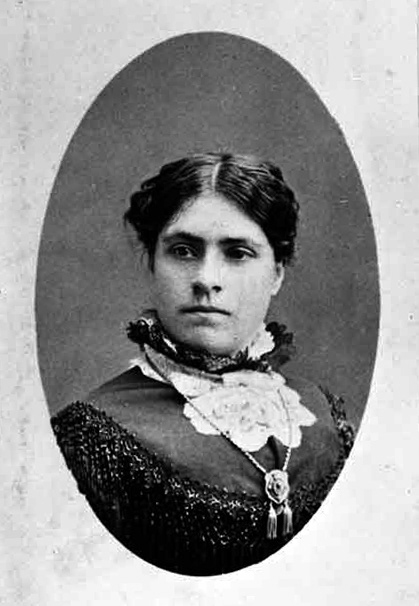
Mary Rowland Mires (1862–1940) was a pioneer, mother, and gifted photographer whose images document the early American West with rare intimacy and artistry. Raised in the rugged Kittitas Valley, she was married to attorney and political leader Austin Mires, who became a Washington Territorial legislator and a signer on Washington's Constitution of 1889 and whose public life brought notable visitors and historic moments into their home in Ellensburg(h) — many captured by Mary on glass plate negatives.
Around 1901, she taught herself photography and darkroom development. Along with many standard portraits and landscapes she experimented with double exposures, cyanotypes, and darkroom chemistry. Her work includes family portraits, landscapes, early Ellensburg events, and remarkable images of plains Indian people, primarily part of the Yakamas who lived and worked nearby.
Though she never called herself a professional, Mary’s photographs reveal a deliberate, educated eye and a deep awareness of the cultural changes unfolding around her. Her legacy continues to grow as more of her glass plates are studied and printed.
Creating beautiful, intriguing, sometimes romantic, whimsical, and even experimental photographs Mary worked primarily with 5 x 7 glass plate negatives and later with her beloved quarter-plate camera producing hundreds of photographs that survive for us to admire and enjoy.
The Mires Collection includes later photographs taken by her youngest daughter Eve of the early Ellensburg Rodeos and the new (1891) Washington State Normal School, a teacher's college, now Central Washington University.
SOME OF MARY'S PHOTOGRAPHS
Mary's compelling photos include significant portraits of local Native Americans, primarily members of the Yakama tribe. I offer prints from her archive - a few of which are below. Email if you would like more information. More photos will be added as I can get to them.
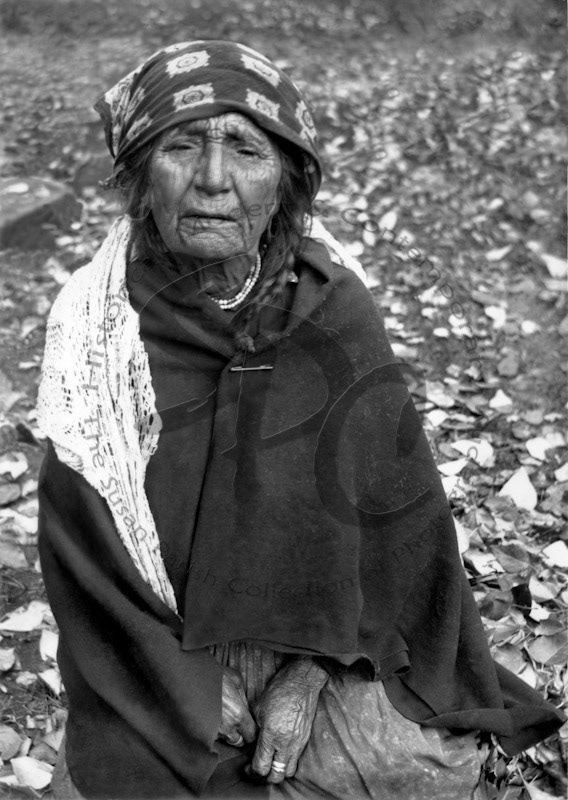
Mollie Quemates
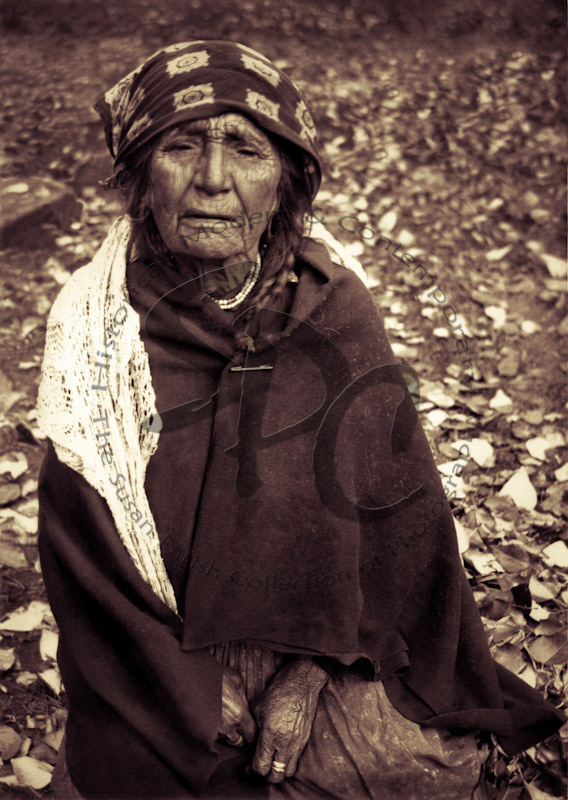
Mollie Quemates in Sepia
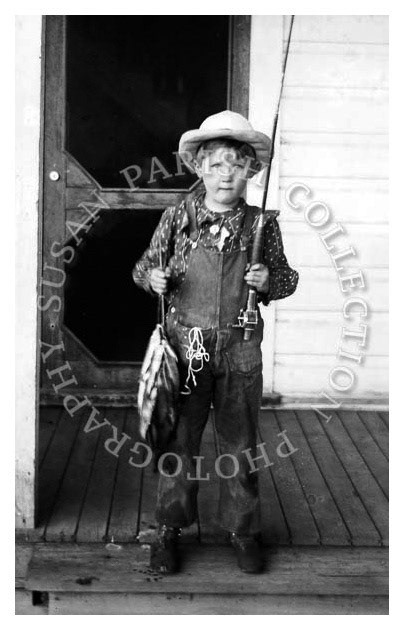
First Catch
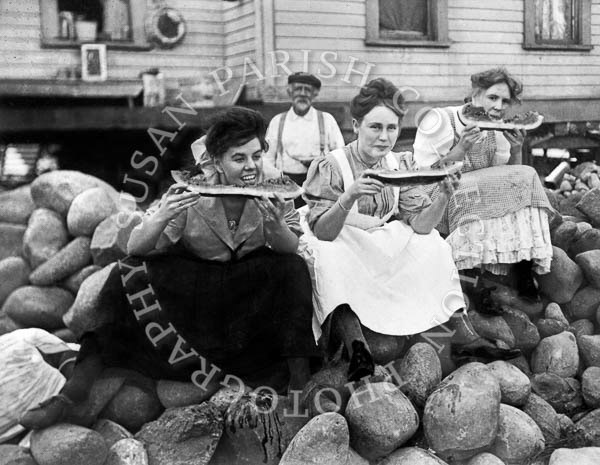
Watermelon Days on the Yakima River
FURTHER INFORMATION
Inspired by fellow Washingtonian Edward S. Curtis and other photographers that were publishing their work in the new photography magazines - Mary purposefully and artfully captured her surroundings, her town, events and the people who came and went from their home. She and her husband Austin Mires were well-known known and respected citizens involved in government and political activities. Austin Mires had served as Ellensburg's first mayor, a member of Washington's Constitutional Convention, a State Legislator, Kittitas County Prosecutor and a Superior Court Judge during his life.
Mary also collected Indian made baskets shown in some of her portraits which were donated to the Kittitas County Museum in Ellensburg, Washington